5g tower warning label explained for consumers and communities
5g tower warning label explained for consumers and communities
Walk past a streetlight-sized pole with extra boxes, antennas, and a small warning label, and it’s easy to feel a little suspicious. Is that a 5G tower? Is it dangerous? Why does it have a warning sign at all? For consumers and communities, the label can look alarming at first glance — especially when a sticker or placard uses technical language that sounds more serious than it actually is.
The short version: a 5G tower warning label is usually there to inform workers and the public about radiofrequency exposure, site access rules, and equipment safety. It does not automatically mean the tower is unsafe. In most cases, the label is part of standard regulatory compliance, not a red flag. But as with most things in tech infrastructure, the details matter. And if you live near one, or you’re seeing new small-cell installations pop up across your neighborhood, those details are worth understanding.
What a 5G tower warning label actually means
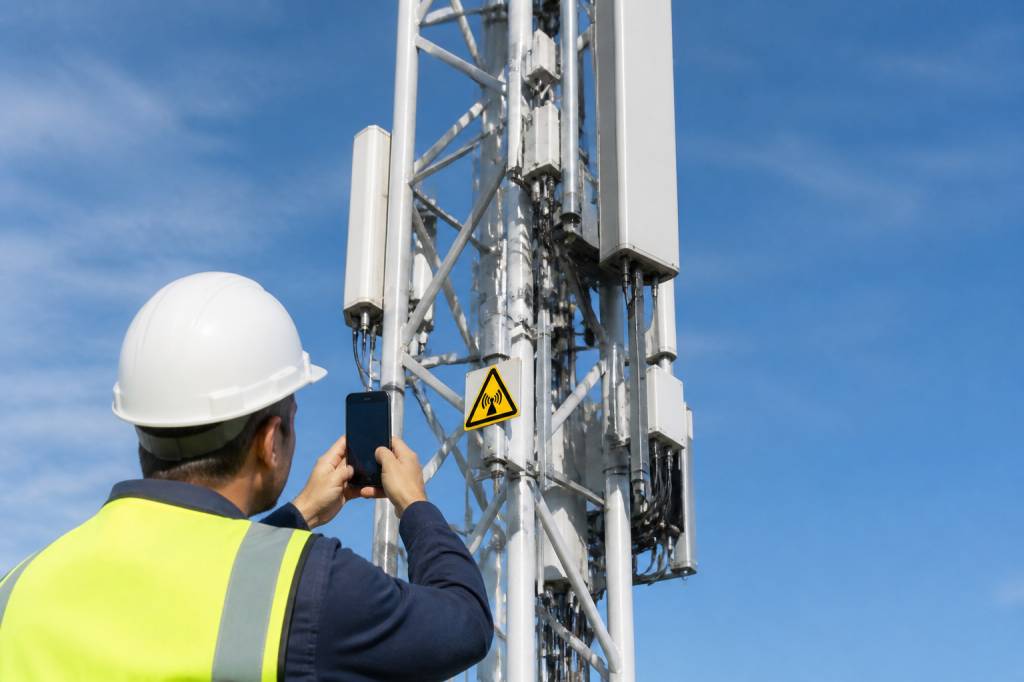
A warning label on a 5G tower is typically an official notice that identifies potential hazards associated with the site. Those hazards can include radiofrequency energy, electrical equipment, restricted access areas, or maintenance-related risks. In plain English: it tells people to keep a certain distance, avoid unauthorized entry, and respect safety procedures.
Most labels are not written for the average passerby in the way a road sign is. They are often designed for technicians, utility workers, and emergency responders who may need to approach the equipment. That’s why the wording can sound technical, even stern. The label is there because wireless sites are regulated infrastructure, not because a hidden sci-fi energy beam is trying to melt your eyebrows.
Common elements on a 5G tower warning label may include:
- A warning icon, often a triangle or radiation-style symbol
- Text about radiofrequency exposure or RF energy
- Instructions to maintain a safe distance
- Restricted access notices
- Contact information for the site operator or maintenance team
Depending on the country, the exact format and wording can vary. But the purpose is usually the same: communicate risk clearly enough that people know how to behave around the site.
Why 5G sites need labels in the first place
Every modern communications tower or small-cell installation operates under safety standards. These standards exist because antennas emit radiofrequency waves while transmitting data. The energy levels are regulated, measured, and controlled, but they are still part of the system — and any site that produces RF emissions is expected to warn people accordingly.
This is especially relevant for 5G because the rollout has taken place in highly visible areas: lamp posts, rooftops, utility poles, and dense urban corridors. Unlike the old image of a huge tower on a hilltop, many 5G deployments are closer to everyday public spaces. That proximity makes signage more important, even when actual exposure levels remain well below the limits set by regulators.
In practice, the label serves three main functions:
- It informs the public that the site is active and should not be tampered with
- It helps maintenance crews identify hazards before working nearby
- It supports legal and regulatory compliance for the network operator
Think of it like the “hot surface” symbol on a coffee machine. You probably don’t need a lecture on thermodynamics to understand it. The label is simply there to prevent unnecessary contact with something that could be harmful if mishandled.
Should consumers be worried about health risks?
This is the question that usually drives the most anxiety. The good news: the presence of a warning label does not mean the tower is dangerous to people walking, driving, or living nearby. Most of the concern comes from misunderstanding what the label refers to.
5G towers use non-ionizing radiofrequency energy. That means the signal does not have enough power to damage DNA the way ionizing radiation can. The safety discussion around 5G is therefore about exposure limits, not the kind of radiation hazards associated with X-rays or nuclear materials.
Regulators in many countries set exposure thresholds designed to protect the public, and operators must stay within those limits. The warning label usually exists because certain areas near the antenna — especially directly in front of the transmitters or during maintenance — may have higher localized exposure than the general public would encounter at street level. That is very different from saying the area is unsafe for residents.
For most consumers, the practical takeaway is simple:
- Do not climb, touch, or tamper with the equipment
- Do not ignore barriers or restricted-access signs
- Do not assume the label means there is a hidden emergency
- If you have concerns, ask the site operator or your local authority for the official safety documentation
It’s also worth noting that the fear around 5G has often been amplified by rumor, not evidence. In other words, the warning label is real, but the panic around it is often not. The label is a safety tool, not a confession.
How the label differs from public myths about 5G
5G has become a magnet for misinformation. Some people have heard claims that towers are “leaking radiation,” causing illness, or operating without oversight. Most of these claims ignore the basic reality of how telecom infrastructure is built and regulated.
A warning label can look intimidating, and that visual alone has fueled plenty of speculation. But the reality is less dramatic. Warning labels appear on countless pieces of equipment we use daily: power units, industrial machines, rooftop HVAC systems, and even some consumer electronics. The existence of a label usually means the site is being managed responsibly, not that it is malfunctioning.
One useful way to separate fact from fiction is to ask: what does the label actually say? If it mentions RF exposure, access restrictions, or maintenance safety, that is standard. If someone online is claiming that the label proves a cover-up, they are probably overselling the situation for clicks. And, unsurprisingly, clicks love a good conspiracy.
What communities should know when a new tower appears
When a 5G tower or small-cell installation shows up in a neighborhood, community concern is normal. People want to know whether the structure is safe, whether it will affect property values, and whether the city approved it properly. A warning label is only one piece of a much larger picture.
Communities should focus on a few practical questions:
- Who owns and operates the site?
- Was the installation permitted through the proper local process?
- Are the safety signs visible and legible?
- Is the equipment enclosed and protected from public access?
- Are there published compliance documents available from the operator or regulator?
If the tower is installed correctly, the label should be part of a transparent safety setup, not a mystery object wrapped in secrecy. Residents are entitled to ask for explanations, especially if the site is near schools, playgrounds, or busy pedestrian areas.
In many cities, telecom companies must submit planning documents, environmental assessments, or RF compliance reports. Those documents can clarify whether the site meets legal exposure standards. If you’re on a neighborhood board or community council, it’s often better to request the paperwork than to rely on a blurry photo shared in a group chat with five exclamation points.
What workers and first responders use the label for
While the public may focus on the visible warning itself, the biggest purpose of the label is often operational. Utility teams, repair crews, and emergency responders need quick, clear information when they approach a site.
For example, if a technician needs to service equipment on a rooftop small cell, the label helps identify where higher RF exposure may exist and what safety gear or shutdown procedures are required. If a fire department responds to an incident near telecom equipment, the signs help them avoid unnecessary risk while securing the area.
That is why the label can include instructions such as:
- Maintain a minimum distance from antennas
- Disconnect power before maintenance
- Only authorized personnel may enter
- Follow lockout/tagout procedures
- Contact network management before approaching the site
In other words, the label is often more about professional safety than public danger. It tells trained people how to interact with the equipment correctly, just as a factory warning sign tells workers where to stand and where not to stand.
How to read the label without overreacting
Not every warning sign deserves a Google-fueled meltdown. If you come across a 5G tower label, take a breath and read it carefully. Look for the actual message rather than the visual symbol alone.
Here’s a simple approach:
- Identify whether the sign mentions RF exposure, electrical risk, or restricted access
- Check whether it includes a company name, site ID, or contact information
- Look for barriers or fencing that reinforce the warning
- Notice whether the label seems official and standardized, or improvised and suspicious
If the sign looks damaged, missing, or placed in a way that seems unsafe, that is a valid reason to report it. But if it is a standard compliance label on a well-maintained site, it is usually just doing its job.
One subtle but important point: a warning label can also reflect temporary work conditions. If maintenance is underway, exposure boundaries may change, and extra signage may be added. That’s normal. Network infrastructure is dynamic, especially as carriers upgrade hardware or swap out equipment to improve speed and coverage.
What to do if you have concerns about a 5G tower near you
If a tower in your area is causing concern, the best response is informed, not impulsive. You do not need to become a telecom engineer overnight, but you should know where to get reliable information.
Useful next steps include:
- Contact the local zoning or planning office for permit details
- Ask the operator for RF compliance or safety documentation
- Check whether the site has clear access restrictions and warning signage
- Request a community briefing if the installation is in a sensitive area
- Compare what you see on-site with official guidelines from the regulator
If the issue is aesthetic rather than safety-related, that is also legitimate. Many communities dislike the look of new infrastructure, especially when it appears overnight. The challenge is balancing network demand with public acceptance. Faster connectivity is useful, but so is a neighborhood that feels considered, not industrialized.
For local residents, the most important thing is to distinguish between a standard safety label and an actual compliance problem. Those are not the same thing.
The bigger picture: why this matters as 5G keeps expanding
5G infrastructure is becoming part of the landscape, much like fiber cabinets, surveillance cameras, EV chargers, and smart traffic systems. The more visible the hardware becomes, the more people will encounter labels, signs, and safety notices they never had to think about before.
That makes public literacy around these labels more important. A well-designed warning sign helps communities trust infrastructure instead of fearing it. Transparency matters. So does accuracy. When people understand that a 5G tower warning label is a standard safety measure, not proof of danger, the conversation becomes far more productive.
And that’s really the point. High-tech infrastructure works best when it is both technically sound and publicly understandable. A label should answer questions, not create myths. If it does its job, you’ll know what the site is, why the warning is there, and when to keep your distance — no drama required.
So the next time you spot a 5G tower warning label, don’t assume the worst. Read it, understand it, and treat it for what it usually is: a practical notice designed to keep people safe while the network keeps working in the background.